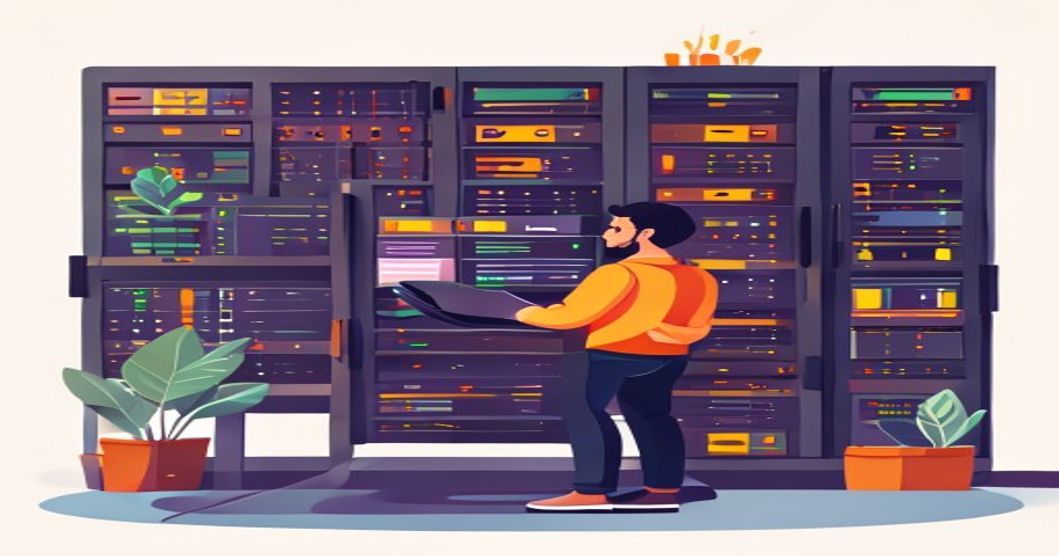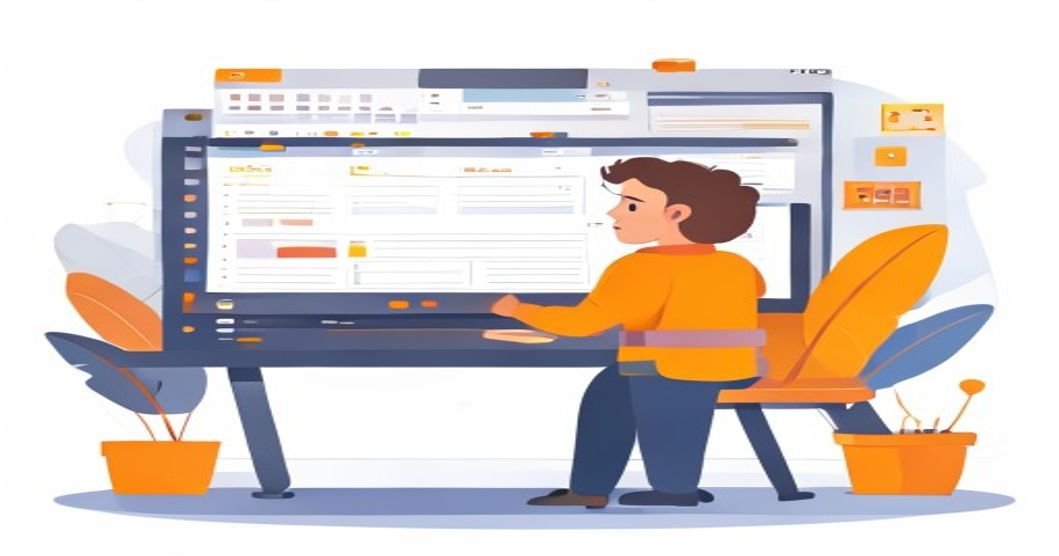
For years, the classroom was my world. As a teacher in India, the rhythm of lessons, exams, and report cards was familiar and fulfilling. But a quiet curiosity about the technology shaping our students' futures—from Flipkart deliveries to Paytm payments—slowly grew into a burning question: "Could I build that?" This is the story of how I transitioned from a 30-something educator to a software engineer at Razorpay, proving that with the right roadmap, a non-traditional background can be your greatest strength.
Why a Teaching Background is a Hidden Tech Advantage
You might think starting a tech career later is a disadvantage. In reality, the core skills of teaching are directly transferable and highly valued in software engineering.
- Complex Concept Breakdown: Daily, teachers distill complicated subjects into digestible lessons. This mirrors exactly what senior engineers do when explaining system architecture or onboarding juniors.
- Patience & Persistence: Debugging a stubborn piece of code requires the same patience as helping a student grasp a difficult theorem. You already have a high frustration tolerance.
- Communication Mastery: Clear documentation, articulate stand-up updates, and client meetings all rely on the communication skills honed in parent-teacher interactions and classroom management.
This foundation gave me a unique edge. While I needed to build technical depth, the "soft" skills—often the hardest to learn—were already my forte.
The Strategic Learning Roadmap (Forget the 4-Year Degree)
The key is a focused, project-driven approach, not trying to earn another formal degree. The internet is filled with high-quality, often free, resources tailored for the Indian learner.
Phase 1: Foundational Coding & DSA
I started with the absolute basics on platforms like freeCodeCamp and Khan Academy. For structured learning in Hindi and English, YouTube channels like CodeWithHarry and Apna College were invaluable. The critical goal for this phase is mastering Data Structures and Algorithms (DSA)—the gatekeeper to most tech interviews.
- Platforms: freeCodeCamp, Khan Academy
- YouTube: CodeWithHarry (Hindi/English), Apna College, Striver (takeUforward)
- Goal: Solve 300+ curated problems on platforms like LeetCode and GeeksforGeeks.
Phase 2: Full-Stack Specialization
After DSA, I chose a clear path: full-stack web development. This makes you a versatile candidate. My stack was the popular MERN (MongoDB, Express.js, React, Node.js).
- Learn HTML, CSS, and JavaScript thoroughly. Build several static websites.
- Pick a frontend framework like React (highly in demand). Follow tutorials by CodeWithHarry or Apna College to build interactive UIs.
- Master a backend technology like Node.js with Express. Learn to build REST APIs, connect to databases, and handle authentication.
- Integrate everything into 3-4 significant full-stack projects. For example, an e-commerce clone, a task management app, or a content aggregator.
Phase 3: Credibility & Certifications
To get past resume screens, I needed credentials. I pursued financial aid for top courses on Coursera (like "Google IT Automation with Python" or "IBM Full Stack Cloud Developer"). For deep, university-level theory, I audited courses on NPTEL and SWAYAM, India's fantastic national education platforms. These certificates, especially from NPTEL, carry significant weight with Indian recruiters at firms like TCS, Infosys, and Wipro.
Building a Portfolio That Gets Noticed
A teacher's resume listing only school experience won't open tech doors. You must build a parallel profile of tangible work.
- Live Projects: Host your applications on GitHub Pages, Vercel, or Netlify. Every project in your portfolio must have a live demo link and a clean GitHub repository.
- Technical Blogging: I started a simple blog explaining coding concepts the way I would to a student. This demonstrated communication skills and deep understanding, catching the eye of a Razorpay hiring manager.
- Open Source: I began by fixing small documentation bugs in projects on GitHub. This gets your name associated with real-world code.
My portfolio featured: a fee management system (inspired by my teaching days), a clone of Zomato's restaurant listing page, and a full-stack note-taking app. These were my new "work experience."
Cracking the Indian Tech Interview Circuit
The interview process at Indian product companies like Freshworks, Zerodha, and Razorpay is rigorous but predictable.
- Online Assessment (OA): This tests DSA and problem-solving. Consistent daily practice on GeeksforGeeks is non-negotiable.
- Technical Rounds (2-3): You'll face deep dives into your projects, live coding, and system design fundamentals. Be prepared to explain why you chose a specific technology for your project, not just what you built.
- Managerial / HR Round: This is where your teaching experience shines. Discuss your journey, your ability to manage deadlines (like syllabus planning), and handle collaborative situations. Frame your past as a strength.
For service-based giants like Accenture or HCL, the process may place more weight on foundational aptitude tests and communication skills, which are a teacher's playground.
Navigating the Salary & Offer Landscape
Be strategic about compensation, especially as a career switcher. In India, salaries are often discussed in terms of Cost to Company (CTC) or Lakhs Per Annum (LPA).
- Entry-Level Range: For a first-time engineer with a strong portfolio, expect offers in the range of ₹6-12 LPA in product startups or IT services. My first offer was from a mid-sized startup at ₹8.5 LPA.
- Negotiation Leverage: Your unique story, polished portfolio, and demonstrable skills are your leverage. I negotiated a 15% higher base by clearly articulating the value of my project work and teaching-honed soft skills.
- The Long Game: The first job is a foot in the door. Within 2-3 years, with proven performance, salaries can jump significantly to ₹15-25 LPA+ as you move into mid-level roles at companies like Swiggy, Flipkart, or Razorpay.
Next Steps
Your journey from educator to engineer starts with a single commit. Stop wondering if it's possible and start building proof that it is.
- Choose your first course: Browse free, structured computer science courses from NPTEL and SWAYAM to build academic credibility.
- Plan your project: Get inspired by our curated list of beginner to advanced project ideas that you can build and host for free.
- Join a community: Learning to code can be isolating. Connect with other career switchers and mentors who can guide you through the hurdles I faced.
The blackboard and the code editor are not so different—both are tools to build understanding and create something lasting. Your next chapter is waiting to be compiled.
Share this article
Keep learning on UnboxCareer
Explore free courses, certificates, and career roadmaps curated for Indian students.