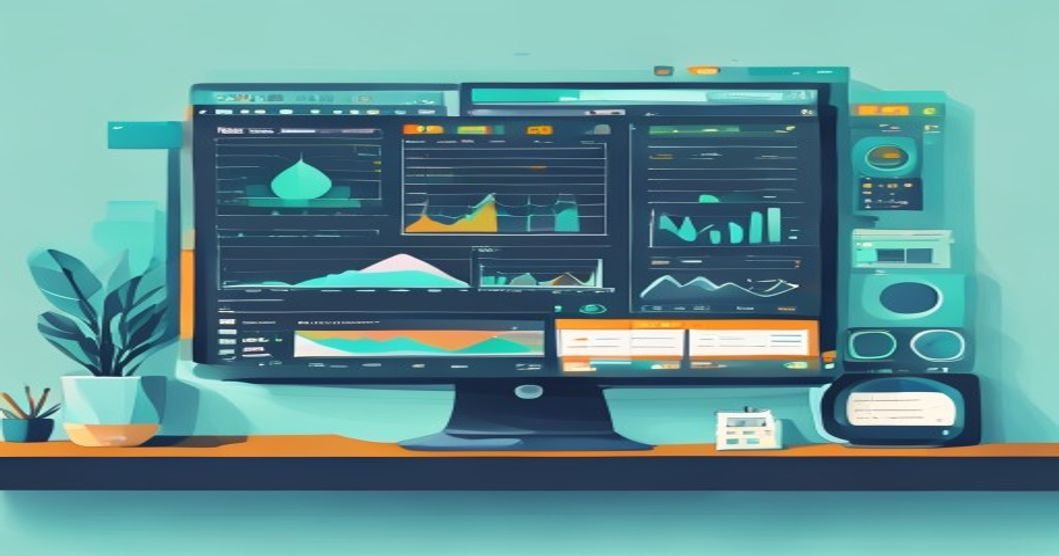
For any Indian developer or student eyeing the next big role, the ability to build a dynamic, data-driven analytics dashboard is no longer a niche skill—it’s a portfolio superpower. In a market where companies from TCS and Infosys to Flipkart and Zerodha are obsessed with data, a well-executed dashboard project demonstrates you can bridge the gap between raw numbers and actionable business insights, a combination that commands premium salaries of ₹8-15 LPA and above for full-stack roles.
Why a Dashboard Project is Your Career Catalyst
In today's interview rooms, a basic to-do app won't turn heads. A functional analytics dashboard, however, tells a compelling story. It showcases your proficiency across the entire stack—frontend visualization, backend APIs, database design, and data processing—in a single, tangible project. Recruiters at service-based firms like Wipro and HCL look for this breadth, while product-based companies like Swiggy or Razorpay value the product-thinking and user-centric design it implies. It directly answers common interview questions: "How do you handle large datasets?" or "Describe a project where you solved a real problem."
Skills You Demonstrate
- Full-Stack Proficiency: Integrates React/Vue (frontend), Node.js/Python (backend), and SQL/NoSQL databases.
- Data Handling: Shows you can fetch, process, aggregate, and serve data efficiently.
- UI/UX Sensibility: Proves you care about presenting complex information clearly.
- Problem-Solving: From choosing the right chart library to optimizing database queries.
Blueprint: Core Components of Your Dashboard
Every great dashboard is built on a logical architecture. Think of it in three distinct layers that you will build.
1. The Data Layer (The Foundation)
This is where your data lives and is managed. Your choice here depends on the nature of your data.
- SQL Databases (PostgreSQL, MySQL): Ideal for structured, relational data (e.g., user sales records, inventory). Use for financial or transactional dashboards.
- NoSQL Databases (MongoDB): Great for flexible, semi-structured, or document-based data (e.g., user activity logs, social media feeds).
- Getting Sample Data: Don't get stuck here. Use free public datasets from Kaggle or government portals, or create a script to generate mock data simulating an e-commerce or SaaS platform.
2. The Backend API Layer (The Engine)
This layer fetches data from your database, processes it (calculating totals, averages, trends), and serves it to the frontend via secure APIs.
- Technology Choices: Node.js with Express is extremely popular for its JavaScript ecosystem. Python with Django or Flask is a powerhouse for data-heavy logic and is widely used in analytics roles.
- Key Tasks: Build RESTful endpoints like
/api/sales/monthlyor/api/users/active-count. Implement user authentication (using JWT tokens) to make your dashboard secure and portfolio-ready.
3. The Frontend Visualization Layer (The Interface)
This is what users see and interact with. Your goal is clarity and interactivity.
- Core Framework: React.js is the industry frontrunner in India, with massive demand. Vue.js is also an excellent, slightly gentler alternative.
- Charting Libraries: This is where the magic happens. Use Recharts (for React, simple and flexible) or Chart.js (framework-agnostic, great for beginners) to build bar graphs, line charts, pie charts, and more.
- UI/UX Focus: Organize charts in a logical grid. Add filters (date range pickers, category dropdowns) to make the dashboard interactive. Use a component library like Material-UI or Ant Design to speed up development and ensure a professional look.
Step-by-Step: Building Your First Dashboard
Let's build a "Sales Analytics Dashboard" for a mock e-commerce platform. Follow these steps.
- Plan & Design: Sketch a wireframe. Decide you'll show: Total Revenue, Monthly Sales Trend, Top Selling Products, and Sales by Category.
- Set Up the Backend: Create a Node.js/Express server. Connect it to a PostgreSQL database. Write SQL queries to aggregate sales data and create API endpoints.
- Feed & Mock Data: Write a script to populate your database with 2-3 months of fake sales data for products across categories like Electronics, Fashion, and Home.
- Build the Frontend: Create a React app. Install Recharts. Create components for each chart (e.g.,
RevenueCard.js,SalesTrendChart.js). - Connect & Fetch: In your React components, use the
fetch()API or Axios to call your backend endpoints and populate the charts with real data. - Add Interactivity: Implement a date filter component. When the user selects a new date range, send that filter to your backend API and update all charts dynamically.
- Polish & Deploy: Ensure the UI is clean and responsive. Finally, deploy your backend to a platform like Render or Cyclic and your frontend to Vercel or Netlify. This live link is crucial for your resume.
Tech Stack Recommendations for Indian Students
Choose a stack that balances learning value with market demand. Here are two winning combinations:
- The MERN Stack (High Demand): MongoDB, Express.js, React, Node.js. Ubiquitous in the Indian startup ecosystem and service companies. Vast learning resources available from creators like CodeWithHarry and Apna College.
- The PERN Stack (Structured Data Focus): PostgreSQL, Express.js, React, Node.js. Simply swaps MongoDB for PostgreSQL. Excellent if you want to showcase strong SQL skills, valued highly in Accenture, HCL, and fintechs like Paytm.
For Python enthusiasts, a Django + React or Flask + React stack is equally impressive, especially for roles leaning towards data engineering or backend-heavy analytics.
Learning Resources: Free & Effective Pathways
You don't need a paid bootcamp. India's ecosystem of free, high-quality education is vast.
- Structured Courses: Enroll in NPTEL's "Data Science for Engineers" or SWAYAM courses on databases. Apply for Coursera Financial Aid for courses like "IBM Data Science" or "Web Design for Everybody."
- YouTube Tutorials: Follow project-based tutorials by CodeWithHarry (MERN stack projects), Striver (takeUforward) (for DSA and development), and Jenny's Lectures for core CS concepts.
- Hands-On Practice: Use freeCodeCamp for its rigorous project-based curriculum. Their "Data Visualization" certification is perfect for dashboard frontend skills.
From Project to Portfolio: Making It Shine
A dashboard in your GitHub repo is good; a showcased dashboard is great.
- Write a Detailed README: Include the live link, features, tech stack, installation instructions, and screenshots.
- Solve a "Problem": Frame your project. Instead of "Sales Dashboard," say "A Dashboard for SMBs to Track Sales Performance and Identify Top Categories."
- Highlight Key Features: In your resume's project section, bullet points like "Implemented dynamic filtering reducing data load by 40%" or "Visualized complex datasets using Recharts improving data readability."
- Prepare Your Narrative: Be ready to explain in interviews: Why you chose your tech stack, the biggest challenge you faced (e.g., state management for filters), and how you'd extend the project (e.g., add real-time updates with WebSockets).
Next Steps
Your journey to building an impressive analytics dashboard starts with a single step. First, solidify your foundational knowledge in your chosen stack by browsing our curated list of free full-stack development courses. Then, dive deep into data-specific skills with free data science and visualization resources. Finally, explore project ideas and tutorials to kickstart your hands-on building phase today.
Share this article
Keep learning on UnboxCareer
Explore free courses, certificates, and career roadmaps curated for Indian students.